The thrill of risk and reward
The allure of gambling often stems from the thrill associated with risk-taking. Engaging in uncertain activities can trigger a rush of adrenaline, creating an exhilarating experience for participants. This excitement is partly due to the activation of dopamine, a neurotransmitter linked to pleasure and reward. When gamblers anticipate a win, their brains release dopamine, leading to feelings of happiness and contentment, akin to the sensations experienced during thrilling sports or intense activities. Many players find that they enjoy the best online casino australia for this very reason, as this physiological response reinforces the desire to return to gambling, as the brain begins to associate gambling with positive emotional states.
Moreover, the uncertainty of outcomes in gambling environments further amplifies this psychological response. People are drawn to the possibility of hitting a jackpot or winning unexpectedly, which adds a layer of excitement to the experience. This unpredictability transforms a simple game into a captivating encounter, where the prospect of winning big overshadows the accompanying risks. Such emotional highs can become addictive, prompting individuals to seek out these thrilling experiences repeatedly, thereby forming a cycle of anticipation and excitement that can be hard to break.
The perception of risk also plays a crucial role in why people gamble. Some individuals thrive on challenges and are motivated by the desire to conquer fear. The moments leading up to a spin of the wheel or the flip of a card are filled with anticipation, heightening engagement. This dynamic is particularly appealing for those who enjoy testing their luck and strategic thinking skills, making gambling an intriguing psychological endeavor. The blend of risk and reward creates a unique psychological landscape where individuals can explore their limits and engage with the unknown.
The social aspect of gambling
Gambling is not solely an individual activity; it often serves as a social experience that fosters connections among players. Many gaming establishments are designed to encourage social interactions, with vibrant environments, friendly staff, and communal seating. The presence of fellow gamblers can create a sense of camaraderie, where shared excitement and collective experiences enhance the overall enjoyment of the activity. This social aspect transforms the act of gambling into a communal event rather than a solitary pursuit, allowing for an exchange of stories and strategies that enrich the experience.
Additionally, gambling can be a means of social expression and bonding among friends and family. Group outings to gaming venues or friendly poker nights can strengthen relationships, creating lasting memories and shared anecdotes. The laughter, cheers, and occasional groans of disappointment contribute to a joyful atmosphere that many find appealing. This social dimension often outweighs the actual monetary aspects, as the experiences shared with others provide a sense of belonging and connectedness. The joy of winning becomes a shared triumph, reinforcing social ties and creating a richer experience.

Moreover, gambling can serve as a conversation starter and an icebreaker in various social settings. People enjoy discussing their experiences, strategies, and outcomes with others, fostering deeper connections. The social engagement involved in gambling helps alleviate feelings of isolation, making it an attractive option for individuals seeking a sense of community and fun. Overall, the social element of gambling plays a significant role in its widespread appeal, making it a pivotal part of why many engage in these activities regularly.
The impact of emotional states
Emotional states significantly influence why individuals choose to gamble. People often turn to gambling as a way to cope with stress, boredom, or negative feelings. Engaging in gambling activities provides an escape from everyday challenges, offering a temporary reprieve from reality. This emotional relief can be particularly enticing; the thrill of winning or the distraction of gameplay can provide a welcome break from life’s pressures. For some, the act of gambling becomes a coping mechanism, allowing them to navigate through difficult times while seeking comfort in the hopes of a potential win.
Conversely, positive emotions can enhance the gambling experience as well. Celebratory occasions, such as birthdays or weddings, often involve gambling as a form of entertainment. In these scenarios, individuals associate joyful experiences with gaming, further embedding the notion of gambling as a source of pleasure. The emotional highs associated with wins, even small ones, can contribute to the desire to continue gambling, perpetuating a cycle of seeking joy through risk-taking activities. This intertwining of emotions and gambling creates a complex relationship that can either enrich lives or lead to problematic behaviors if not managed carefully.
This emotional rollercoaster can have both positive and negative implications. While gambling may initially serve as a fun diversion, it can lead to problematic behaviors if individuals begin to rely on it as their primary source of emotional support. Understanding the intricate relationship between emotions and gambling is crucial, as it highlights the importance of maintaining a balanced approach to these activities while recognizing the potential risks associated with them. Acknowledging the emotional drivers behind gambling can help individuals make informed decisions about their engagement in these activities.
The illusion of control and cognitive biases
Many gamblers possess a cognitive bias known as the illusion of control, which leads them to believe they can influence outcomes in inherently random games. This misconception is particularly pronounced in activities like dice rolling or roulette, where players may feel their decisions can sway results. This perception makes gambling more appealing, as it enhances the sense of agency players feel during gaming experiences. The belief that skill can impact luck entices individuals to participate more frequently, as they believe they can outsmart the system.
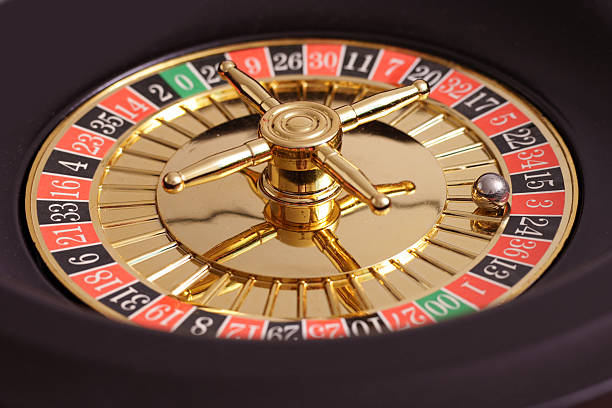
In addition to the illusion of control, gamblers often exhibit confirmation bias, where they focus on instances of wins while dismissing losses. This selective memory creates a distorted perception of their gambling proficiency and reinforces the idea that they can be successful. Such cognitive biases can lead to an increased desire to gamble, as past experiences of winning, however rare, overshadow the more frequent instances of loss. This reinforcement plays a critical role in developing and maintaining gambling behaviors, making it difficult for individuals to recognize when they are engaging in unhealthy practices.
These cognitive biases can have significant implications for individuals’ decision-making processes in gambling scenarios. By rationalizing their behaviors through these illusions, players may overlook responsible gambling practices, leading to potential financial and emotional consequences. Understanding these psychological tendencies is essential for developing healthier gambling habits and recognizing when to seek help if gambling becomes problematic. Education about these biases can empower individuals to approach gambling with a more critical mindset, fostering a healthier relationship with the activity.
Understanding healthy gambling habits on our website
At our website, we recognize the complex psychology behind gambling and its effects on individuals. Our mission is to provide resources that promote responsible gambling habits and support those who enjoy gambling as a recreational activity. We aim to foster an informed community through articles, guides, and tools that encourage healthy practices and an understanding of the psychological underpinnings of gambling behavior. By exploring the various aspects of gambling psychology, we hope to equip individuals with the knowledge they need to engage responsibly.
We offer insights into how to enjoy gambling while minimizing risks, highlighting the importance of setting limits and maintaining a balanced lifestyle. Our content is designed to empower individuals with knowledge about the psychological aspects of gambling, helping them make informed decisions that enhance their overall experience in a safe and responsible manner. We believe that understanding the psychological motivations behind gambling can help individuals navigate their experiences more effectively, ensuring that their engagement remains enjoyable.
By fostering a culture of awareness and understanding, we hope to contribute positively to the gambling community, ensuring that individuals can enjoy the thrill of risk and reward without compromising their well-being. Join us in exploring the fascinating world of gambling psychology, and discover ways to engage in this activity responsibly and enjoyably. Our commitment to educating and supporting our community is unwavering, and we invite everyone to be a part of this journey towards healthier gambling practices.