Personal journeys through the highs and lows of gambling experiences
Understanding the Allure of Gambling
The excitement of gambling often stems from the thrill of uncertainty and the possibility of winning big. Many individuals are drawn to casinos and online gaming platforms, captivated by the flashing lights, immersive environments, and the atmosphere charged with anticipation. This allure can transform an average day into an exhilarating experience, promising not just entertainment but also the chance to change one’s financial standing. However, the magnetic pull of gambling can be a double-edged sword, leading individuals to navigate both enchanting highs and devastating lows. Often, players seek to explore the best options, which is why they should consider the advantages of payid pokies for convenient transactions.
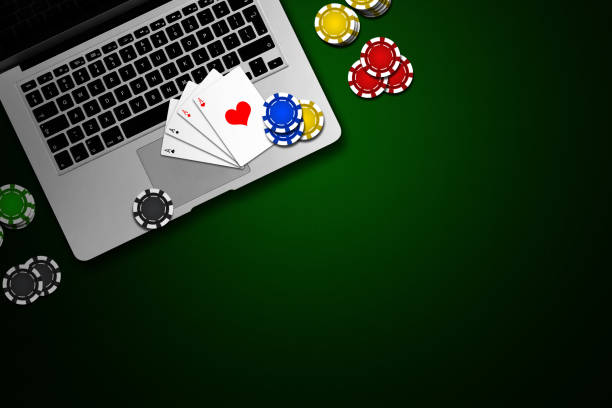
For many, the initial encounters with gambling are filled with euphoric moments of winning. The adrenaline rush associated with hitting a jackpot or winning a hand can create a false sense of security and a belief that luck will remain on their side. These early victories can spark a passion for gaming, inspiring players to return repeatedly. Yet, this thrill can quickly turn into an obsession, where the desire to experience that high becomes all-consuming, overshadowing the potential risks involved.
Moreover, gambling often paints an unrealistic picture of wealth and success, perpetuated by stories of instant millionaires and celebrities who seem to have beaten the odds. This narrative can lead individuals to dismiss the darker realities of gambling—such as losses and addiction. Understanding this dynamic is crucial for anyone embarking on their gambling journey, as it helps to differentiate between healthy entertainment and problematic behavior that can emerge when the highs cloud judgment.
The Emotional Rollercoaster of Winning and Losing
The emotional landscape of gambling is akin to a rollercoaster ride, filled with peaks of exhilaration and valleys of despair. Winning can evoke feelings of joy, confidence, and invincibility, fostering a belief that one has mastered the game. This rush often leads to higher stakes and riskier bets, as players chase the next big win, unaware of the impending emotional drop that often accompanies losses. Each win can create a powerful feedback loop, pushing players to continue gambling in hopes of replicating their success.
Conversely, losses can trigger feelings of frustration, shame, and desperation. Players may find themselves struggling to comprehend how they went from euphoria to heartbreak, leading to emotional turmoil. This stark contrast between highs and lows can have profound effects on mental health, relationships, and overall well-being. Understanding this emotional rollercoaster is essential for players to recognize when their experiences are shifting from entertainment to a potential addiction.
For some individuals, this emotional volatility can spiral into more severe issues, such as gambling addiction. The stigma surrounding addiction often prevents individuals from seeking help, leaving them trapped in a cycle of despair. Recognizing the signs of problem gambling is vital not only for personal well-being but also for supporting loved ones who may be grappling with similar challenges. Embracing open conversations about the emotional aspects of gambling can foster healthier relationships with the activity.
Debunking Common Gambling Myths
Despite the widespread nature of gambling, many misconceptions persist that can lead players astray. One of the most pervasive myths is the belief that certain games are “due” for a win after a series of losses. This misunderstanding arises from the misconception of ‘hot’ and ‘cold’ streaks, which fails to recognize that most gambling outcomes are random. By understanding the mechanics behind games, players can make more informed decisions and set realistic expectations for their gambling experiences.
Another myth that often surfaces is the belief that skill can consistently overcome luck in games predominantly based on chance, such as slots or roulette. While skill does play a significant role in games like poker, many players mistakenly apply this mindset to all types of gambling. This misconception can lead to misguided strategies and higher stakes, increasing the likelihood of losses. Players must learn to distinguish between skill-based and chance-based games to align their strategies accordingly and minimize financial risks.
Lastly, many people believe that gambling is a viable strategy for financial gain. This myth overlooks the odds stacked against players, as casinos are designed to profit from the games they offer. Understanding the true nature of gambling as a form of entertainment rather than a reliable source of income is crucial. By debunking these myths, players can approach gambling with a clearer perspective, promoting responsible gaming and ensuring they engage in the activity for enjoyment rather than financial hope.
Real-life Stories of Gambling Experiences
Personal stories from gamblers can illuminate the diverse experiences associated with gambling. For instance, one individual may recount their first visit to a casino, filled with excitement and anticipation, only to find themselves spiraling into deeper financial struggles as they chased the thrill of wins. Their journey reflects the duality of gambling—how it can initially provide joy and later transform into a source of stress and hardship. Such narratives serve as cautionary tales that highlight the importance of moderation and self-awareness in gambling.
Conversely, other stories celebrate the transformative power of gambling when approached responsibly. Individuals often share how engaging in games helped them bond with friends or unwind after a long week. In these cases, gambling remains a form of entertainment, and players develop strategies to enjoy the activity without overextending themselves financially. These positive experiences exemplify how responsible gambling can foster connections and provide a healthy outlet for stress relief.
Each personal journey showcases the need for awareness and understanding when engaging with gambling. By sharing both the highs and lows, individuals can foster a community of support and understanding. These shared experiences allow players to learn from one another, creating a collective narrative that prioritizes responsible gaming while still celebrating the unique moments that gambling can offer.
Finding Support and Resources for Gambling Issues
As gambling experiences can lead to emotional and financial turmoil, it’s essential for individuals to seek support and resources when needed. Organizations dedicated to gambling addiction provide counseling, helplines, and rehabilitation programs to assist those struggling with their gambling habits. Accessing these resources can be the first step toward recovery, allowing individuals to reclaim control over their lives and finances.
Moreover, self-help tools and community support groups can provide invaluable assistance for those grappling with the emotional consequences of gambling. Connecting with others who share similar experiences can create a supportive environment where individuals feel safe discussing their challenges. These discussions can foster accountability and motivate individuals to adopt healthier habits when it comes to gambling, reinforcing the idea that they are not alone in their struggles.
In conclusion, while gambling can provide excitement and fun, it also carries the risk of addiction and emotional distress. Recognizing the need for support is vital in navigating the highs and lows of gambling experiences. By seeking help and utilizing available resources, individuals can foster a healthier relationship with gambling and ensure that their experiences remain enjoyable and enriching rather than detrimental.